Introduction
A neutral rug is one of the most impactful things you can add to a room — and one of the most underestimated.
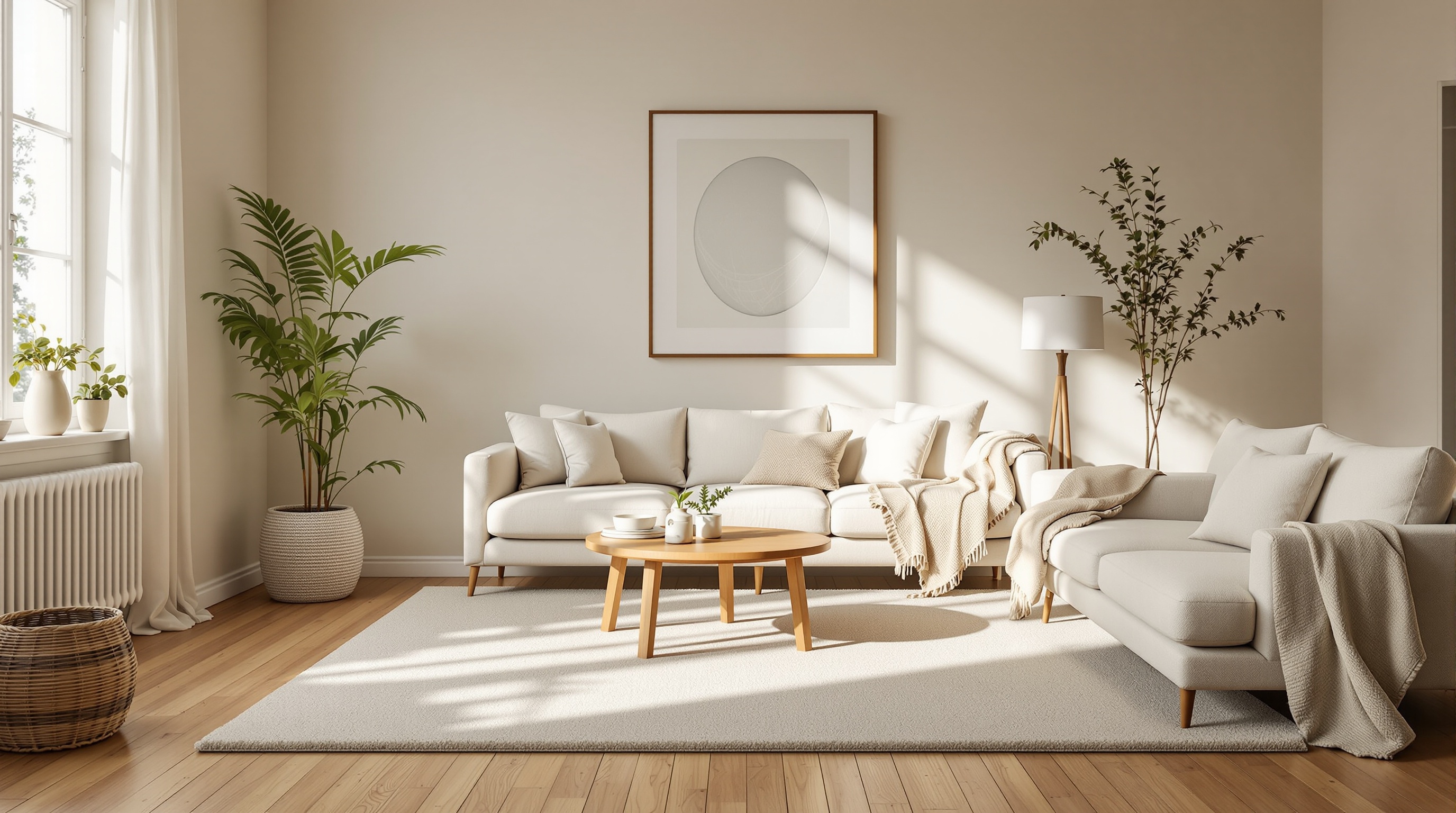
The right rug grounds the furniture, softens the acoustics, and adds a layer of warmth that no other element can quite replicate. In a calm neutral room, a well-chosen rug is not background noise — it is the foundation everything else rests on. This guide covers what to look for, how to size and style it, and which picks we keep returning to.
Why It Works
Why a Neutral Rug Looks More Expensive Than a Patterned One
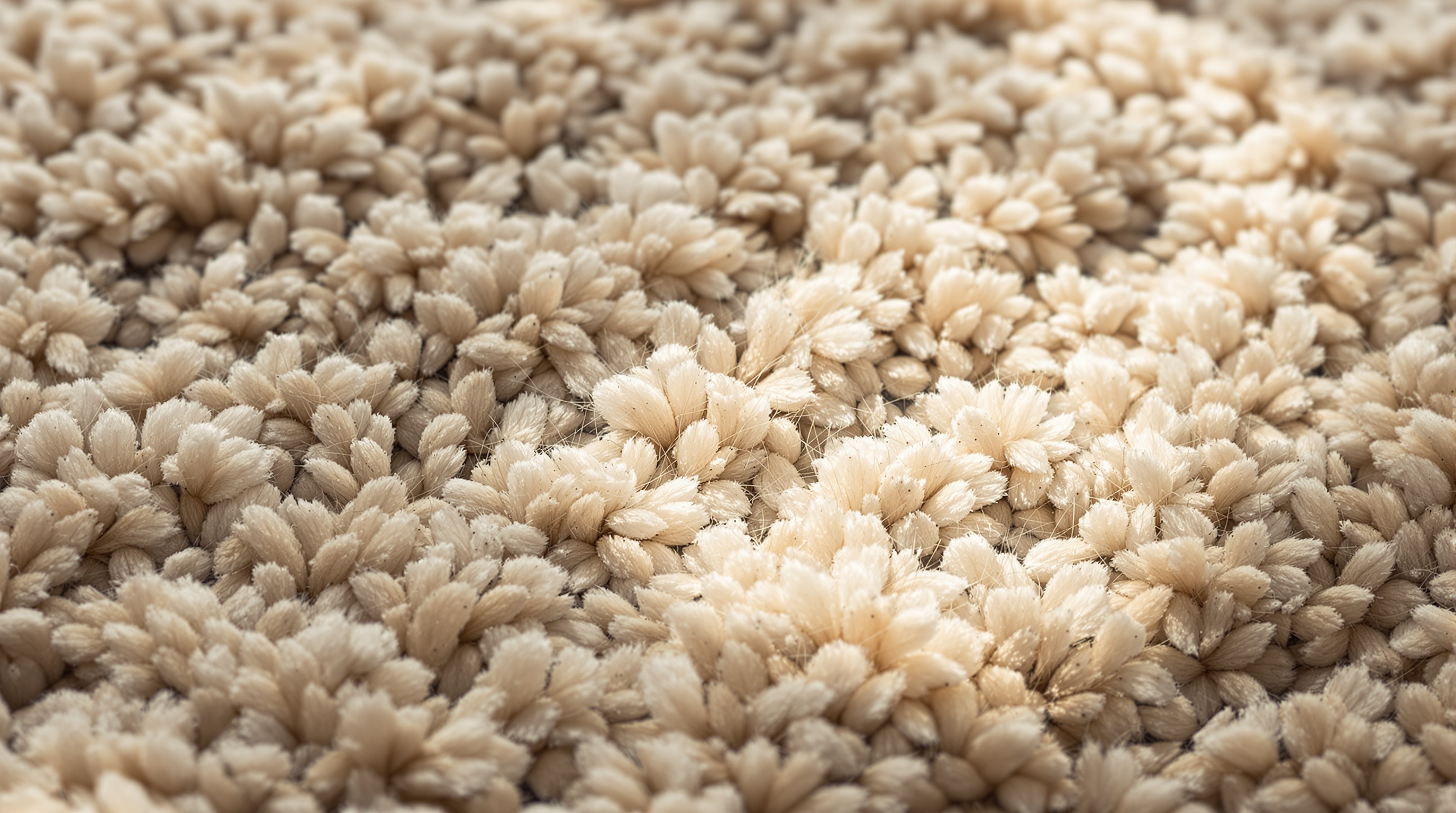
Bold patterns compete with everything else in the room. A neutral rug, by contrast, lets the furniture, the light, and the textures do the talking. It creates a sense of calm cohesion that reads as considered and expensive — even when the rug itself is not.
The key is choosing the right neutral. Warm ivory, oat, and soft sand tones work beautifully in rooms with natural light and warm wood. Cool grey or beige-grey rugs can feel flat and clinical — especially in rooms that already lean neutral.
Texture is where a neutral rug earns its keep. A looped wool rug, a hand-knotted flatweave, or a tufted cotton blend all add visual interest without adding colour — which is exactly what a calm room needs.
What to Look For
Key Things to Consider When Choosing a Neutral Rug
Wool, jute, cotton, or a wool-cotton blend — natural fibres add warmth and texture that synthetics cannot replicate
Low to medium pile works best in living rooms — easier to maintain and more versatile with furniture
Warm ivory, oat, sand, or soft taupe — avoid cool grey tones that flatten the room
Flatweave for a more minimal look; looped or tufted for more texture and softness underfoot
Go larger than you think — the front legs of all seating should sit on the rug to anchor the space
Subtle texture or a quiet geometric works better than bold patterns in a calm neutral room
Styling
How to Style a Neutral Rug
- 01
Size up — a rug that is too small makes the room feel disconnected. In a living room, aim for at least 200x300cm.
- 02
Place the rug so the front legs of the sofa and chairs sit on it — this visually ties the seating area together.
- 03
Layer a smaller flatweave rug over a larger jute base for a relaxed, editorial look.
- 04
In a beige or neutral room, choose a rug with a slightly different tone — warm ivory over sand, or oat over cream — to add depth without contrast.
- 05
Avoid rugs with cool grey or blue undertones in warm neutral rooms — they will fight the palette rather than support it.
- 06
A rug pad underneath extends the life of the rug and keeps it from shifting — worth the investment.
- 07
Vacuum regularly but gently — high-pile wool rugs benefit from occasional professional cleaning to maintain their texture.