Introduction
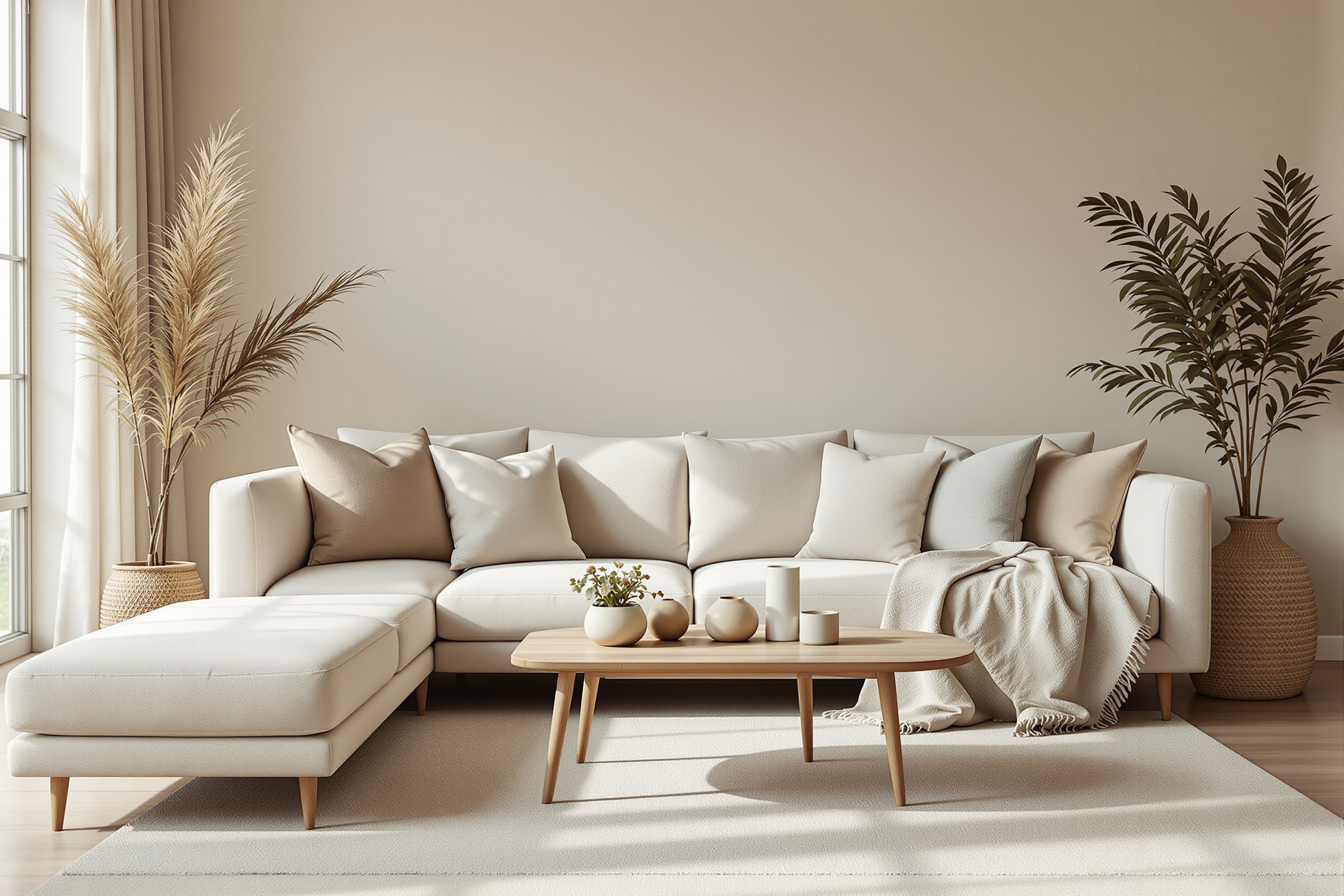
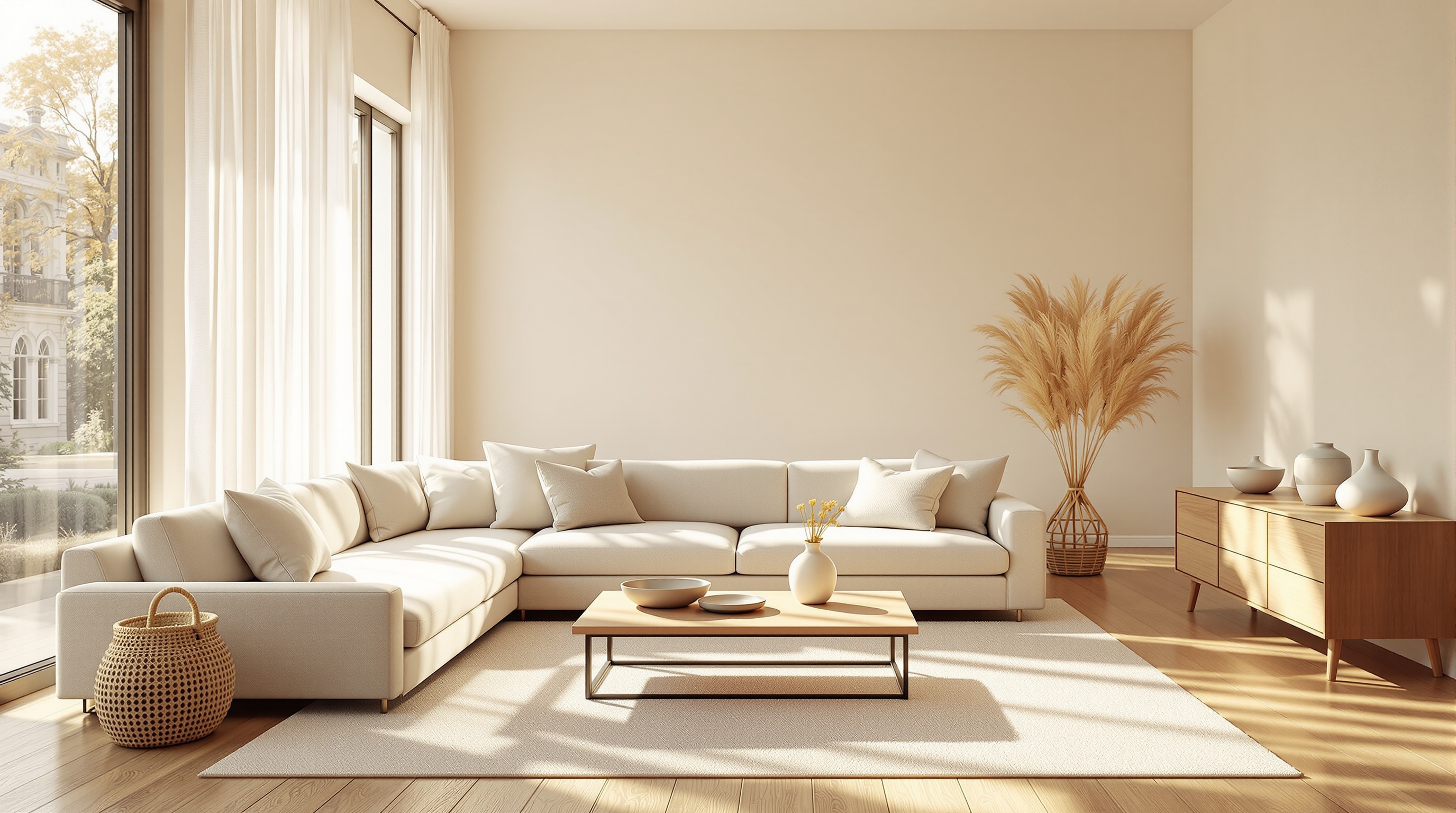
A beige sofa is one of the most versatile and enduring choices you can make for a living room. It does not demand attention — it simply holds the room together.
When chosen well, a beige sofa works across seasons, styles, and changing tastes. It pairs naturally with warm wood, soft linen, dried botanicals, and layered neutral textiles. The key is choosing the right tone, material, and scale for your specific space — and this guide walks you through exactly that.
Why It Works
Why a Beige Sofa Works Better Than You Think
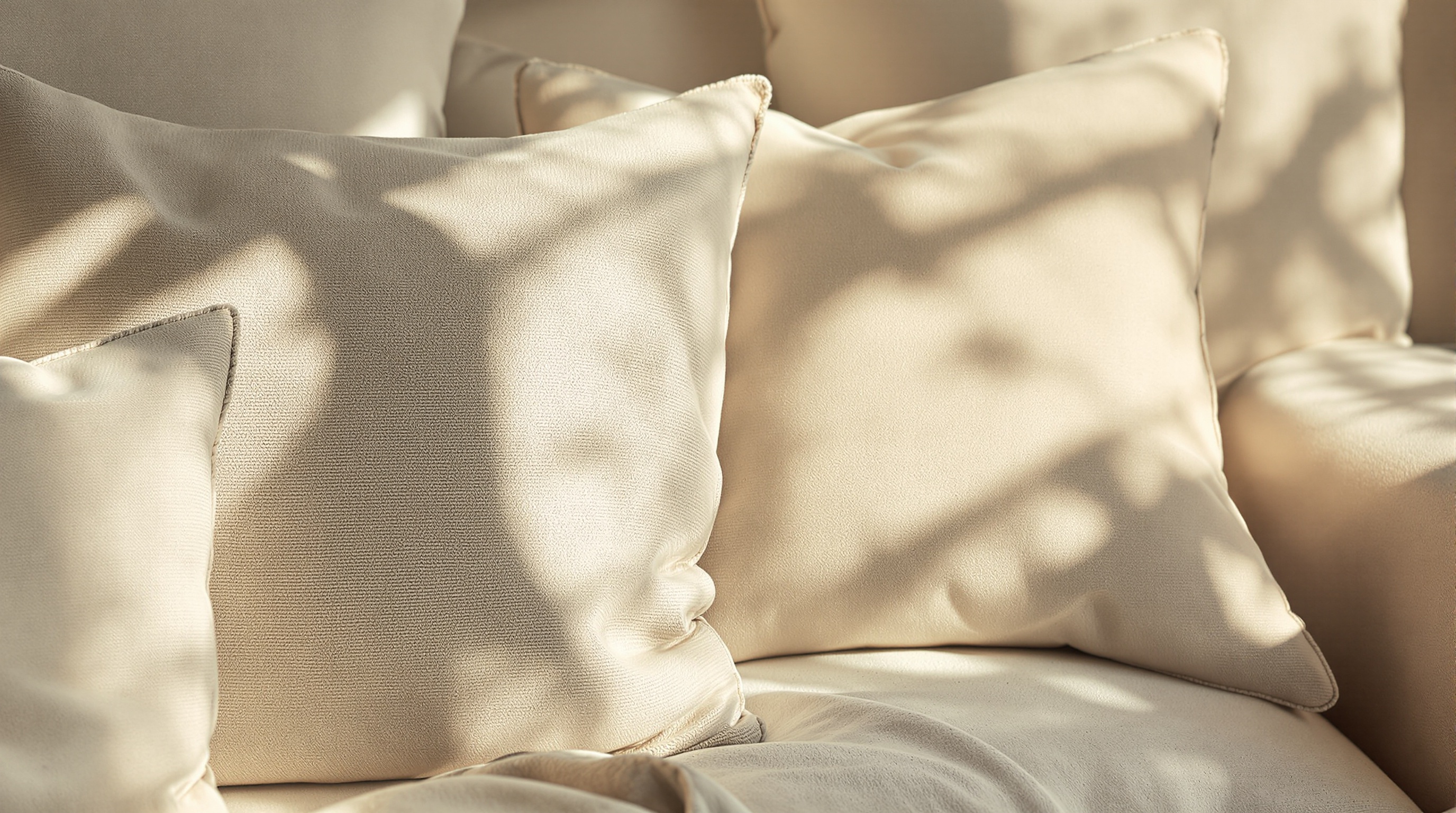
Beige is often dismissed as safe or boring — but that misses the point entirely. A warm beige sofa reads as calm, not bland. It reflects natural light softly, works with almost every other material in the room, and never fights for attention.
The difference between a beige sofa that looks expensive and one that looks flat comes down to undertone. Warm beige — with hints of sand, oat, or cream — reads as rich and considered. Cool beige — with grey or green undertones — can feel clinical and lifeless, especially in rooms with limited natural light.
When you layer a warm beige sofa with natural textures — linen cushions, a wool rug, a light wood table — the room starts to feel genuinely warm and complete. It is one of the most forgiving and rewarding choices in interior design.
What to Look For
Key Design Elements to Consider
Linen, cotton-linen blend, or boucle — natural fibres that breathe and age well
Soft, rounded arms and low backs feel more relaxed than sharp, boxy frames
Light oak or walnut legs add warmth without competing with the sofa colour
Feather-down or foam-fibre blend for a lived-in, comfortable look
Warm beige, sand, or oat — avoid cool greys that read as clinical in natural light
Choose depth and width based on how you actually sit — comfort matters as much as looks
Styling
How to Style a Beige Sofa
- 01
Layer two or three cushion tones within the same warm neutral family — oat, sand, and warm ivory work beautifully together.
- 02
Add a chunky knit or linen throw draped loosely over one arm to soften the silhouette.
- 03
Place a light wood coffee table at a comfortable distance — roughly 40–45cm from the sofa edge.
- 04
A textured neutral rug underneath grounds the sofa and defines the seating area without adding visual noise.
- 05
Keep the wall behind the sofa simple — a single large artwork or a few small frames in warm tones works best.
- 06
Avoid placing the sofa directly against the wall if space allows — even 10cm of breathing room makes the room feel more considered.
- 07
Use warm-toned bulbs (2700K) in nearby lamps to bring out the warmth in the beige upholstery.